
Seven-Minute Fat Burning Workout: Increase Metabolism and Burn Fat
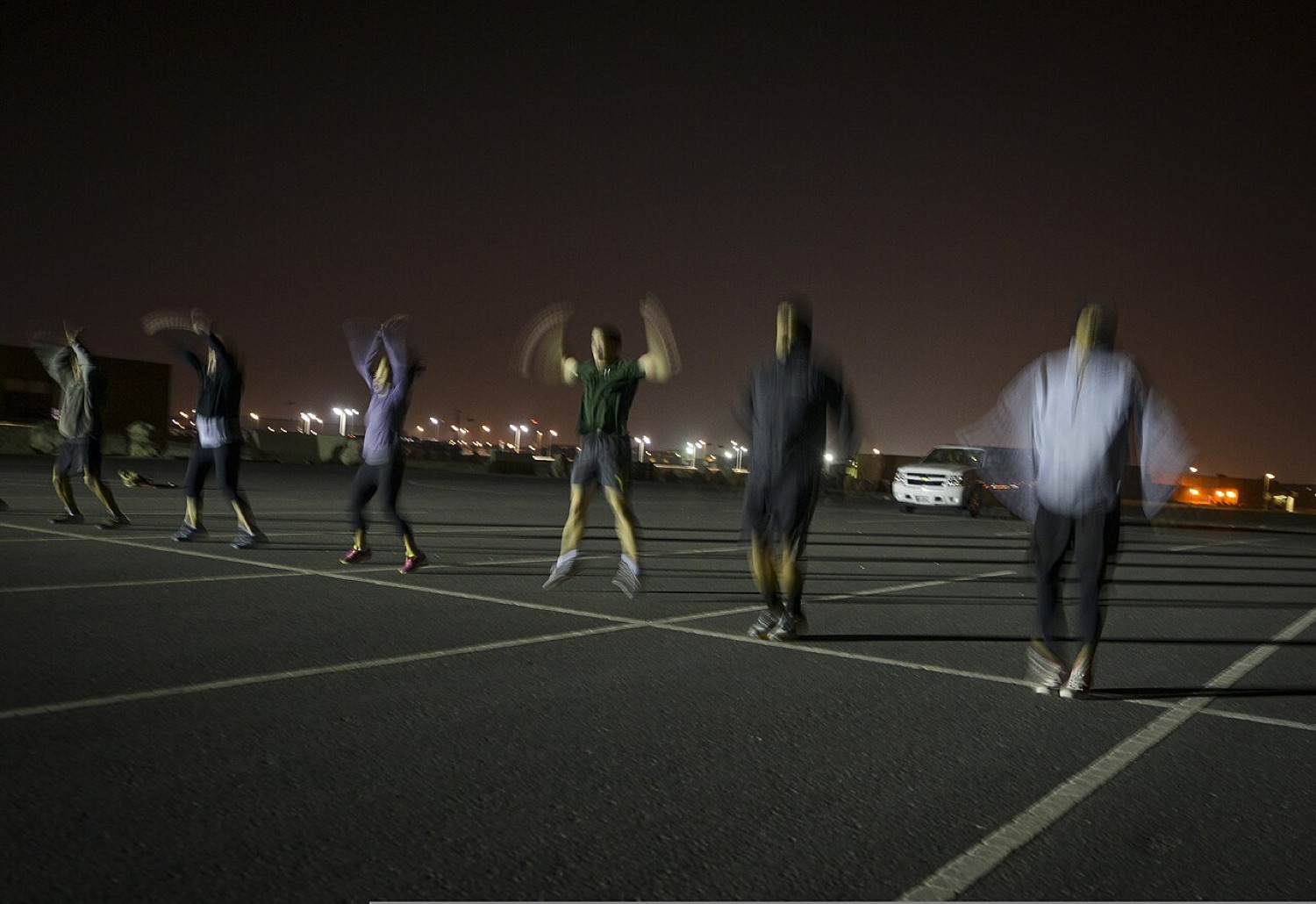
"I'm busy, but I really want to start exercising." If that is you, between work, family and everything else, here is the good news: you can make a real start with seven minutes a day.
Enter the 7-minute workout
In 2013, exercise physiologists Brett Klika and Chris Jordan of the Human Performance Institute in Orlando, Florida, described a high-intensity circuit in the ACSM's Health & Fitness Journal. Their workout used 12 bodyweight exercises, each done for 30 seconds with brief rests, totalling about seven minutes. The idea draws on research showing that short, intense circuit training can improve fitness and health markers in less time than traditional programmes, and needs no equipment.
A few honest caveats. The original authors suggested repeating the circuit two or three times for best results, and "high intensity" means genuinely uncomfortable effort. Seven minutes is a great start and much better than nothing, but it does not replace the general recommendation of about 150 minutes of moderate activity a week plus strength work.
Is it right for beginners?
Learning 12 new moves while exhausted is hard, and tired beginners often lose form, which raises injury risk. So we kept the science (30 seconds per move, minimal rest, whole-body exercises) and made it simpler: seven moves per workout, done twice through, so you have a chance to learn each one properly.
How it works
- Warm up: two or three minutes of walking up and down the hallway or stairs.
- Workout: seven exercises, 30 seconds each, with a few seconds to switch. One round takes about three and a half minutes, so do two rounds. Use the second round to fix your form and push a little harder.
- Cool down: a few gentle stretches.
Six seven-minute workouts
| Workout | The seven moves |
|---|---|
| 1 | Jumping jacks, ice skaters, squats, Russian twists, push-up rotations, jump squats, bicycle crunches |
| 2 | High knees, push-up to plank, plank jacks, Russian twists, step-ups, short shuttle sprints, squat jumps |
| 3 (leg day) | Squats, push-ups, burpees, plank, jumping jacks, lunges, high knees |
| 4 (cardio) | Mountain climbers, knee tucks, squat reach jumps, lateral jumps, jump lunges, jogging in a circle, crunches |
| 5 | Sumo squat pulses, push-ups, leg raises, lateral mountain climbers, burpees, side plank rotations, 180 jump squats |
| 6 (all jacks) | Plank jacks, cross jacks, jackknives, jumping jacks, split jacks, star jumps, squat jacks |
Pick one and start. Low-impact swaps are always allowed: step instead of jumping, do push-ups against a bench, march instead of high knees.
Seven minutes, one quarter
An American football game lasts more than three hours on television, yet studies of broadcasts have found only around 11 minutes of actual live play. The rest is huddles, replays and advertising. For the growing number of fans who have a bet on the game and follow every snap on a sportsbook app, those breaks are usually spent refreshing the odds.
Here is a better use. One seven-minute workout fits comfortably inside a single quarter's worth of commercial breaks, and doing one per quarter adds up to nearly half an hour of exercise by the final whistle. Workout 3 and Workout 6 need no space beyond a living room rug. We built a whole "active watching" plan around this idea, with moves matched to touchdowns, timeouts and halftime, in sports betting fans and couch habits.
Food still matters
Pair your workouts with better eating. Start simply: cut back on sugary drinks, add protein and vegetables to every meal, and choose whole grains over refined ones. The Start Here page has a simple 30-day plan.
This article is general information, not medical advice. Check with a doctor before starting a new diet or exercise programme, especially if you have a health condition.