Odds In Diet Studies vs Casino Odds: The Maths Explained
"Low-carb dieters were twice as likely to succeed." "This food cuts your risk by 30 percent." Health headlines are full of odds and percentages, and they are easy to misread. The clearest way to understand them is to borrow the maths every casino runs on.
Probability and odds are not the same thing
Probability is the chance something happens, from 0 to 1 (or 0 to 100 percent). Odds compare the chance it happens with the chance it does not.
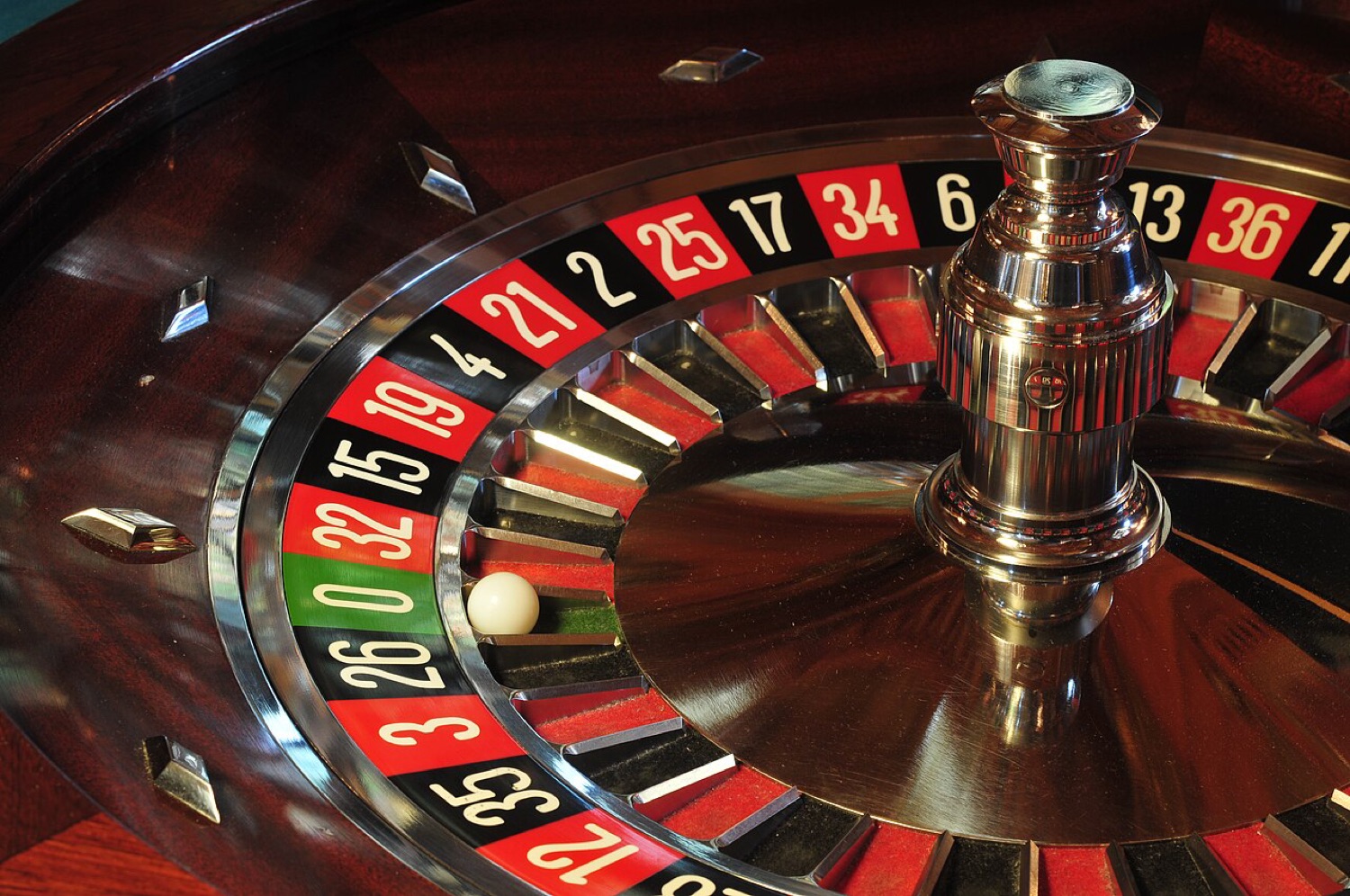
A European roulette wheel has 37 pockets: the numbers 1 to 36 plus a single zero. The probability of your number coming up is 1 in 37, about 2.7 percent. The odds against it are 36 to 1: 36 ways to lose, one way to win.
| Bet | True odds | Casino pays | House edge |
|---|---|---|---|
| Single number, European wheel (37 pockets) | 36 to 1 | 35 to 1 | about 2.7% |
| Single number, American wheel (38 pockets) | 37 to 1 | 35 to 1 | about 5.26% |
| Red or black, European wheel | 19 to 18 against | 1 to 1 (even money) | about 2.7% |
The house edge and expected value
Notice that the casino pays 35 to 1 on a bet whose true odds are 36 to 1 (or 37 to 1 on an American wheel). That small gap is the house edge. Over one spin anything can happen; over thousands of spins the casino's results converge on that edge with remarkable reliability. This is the law of large numbers, and it is why casinos always win in the long run.
The expected value of a $10 single-number bet on a European wheel is minus about 27 cents per spin. Negative expected value means you lose on average, however lucky any given night feels. No betting system changes it, as we explained when comparing diet tribes with the Martingale in low carb vs low fat.
Healthy habits are the opposite: small positive expected value repeated thousands of times. One walk, one salad or one good night's sleep does almost nothing on its own. Repeated over years, the law of large numbers works for you instead of for the house.
Reading diet studies like a croupier
Relative risk versus absolute risk
Suppose a study finds that 2 in 100 people on a standard diet develop a condition, compared with 1 in 100 on a new diet. The headline says "risk cut by 50 percent". That is the relative risk reduction. The absolute risk reduction is just 1 percentage point. Both are true, but they feel very different. Always ask: 50 percent of what?
Number needed to treat
Turn the absolute difference upside down and you get the number needed to treat: 1 divided by 0.01 equals 100. In this example, 100 people would need to follow the new diet for one of them to avoid the condition. Think of it as the number of spins before the payout.
Odds ratios
Many studies report odds ratios. When an outcome is rare, an odds ratio is close to the relative risk. When the outcome is common, such as "lost 5 percent of body weight", odds ratios can make an effect look much larger than the relative risk would. "Twice the odds" of success is not the same as "twice as likely" to succeed.
Averages hide the spread
In the DIETFITS trial published in 2018, healthy low-fat and healthy low-carb groups lost a similar average of roughly 5 to 6 kg over a year. But within each group, some people lost 25 kg or more while others gained weight. Like a night at the tables, the average tells you about the house, not about your seat. That is why trying a sensible plan yourself is still the best test.
Sample size and dropouts
Ten spins tell you nothing about a roulette wheel; a few hundred tell you a little; tens of thousands reveal its true edge. Small diet studies are the same. Check how many people took part, how long it lasted and how many dropped out. A diet that works brilliantly for the half who finish but drives the other half to quit is not a great bet.
Observational versus randomised
Studies that simply observe what people eat find associations, not causes. People who eat more vegetables also tend to smoke less and exercise more. Randomised trials, where chance decides who gets which diet, are the casino-grade test, though they are harder and costlier to run.
A quick checklist for any health headline
- What is the absolute change, not just the relative one?
- How many people, for how long, and how many dropped out?
- Was it randomised, or just observed?
- Is the result an average that hides a wide spread?
- Who funded it, and does the headline match the paper?
Making the odds work for you
Casino games are designed so that the odds are fixed against you. Your health is different: you can change the odds with every choice. Commitment devices such as weight-loss bets tilt them further in your favour (see betting on your own weight loss), and treating daily weigh-ins as noise rather than streaks keeps you from making the gambler's fallacy with your bathroom scale (see why you are not losing the last few kilos).
This article is general information, not medical advice. Check with a doctor before starting a new diet or exercise programme, especially if you have a health condition.