
Poker Players' Fitness: Endurance At Long Tournaments
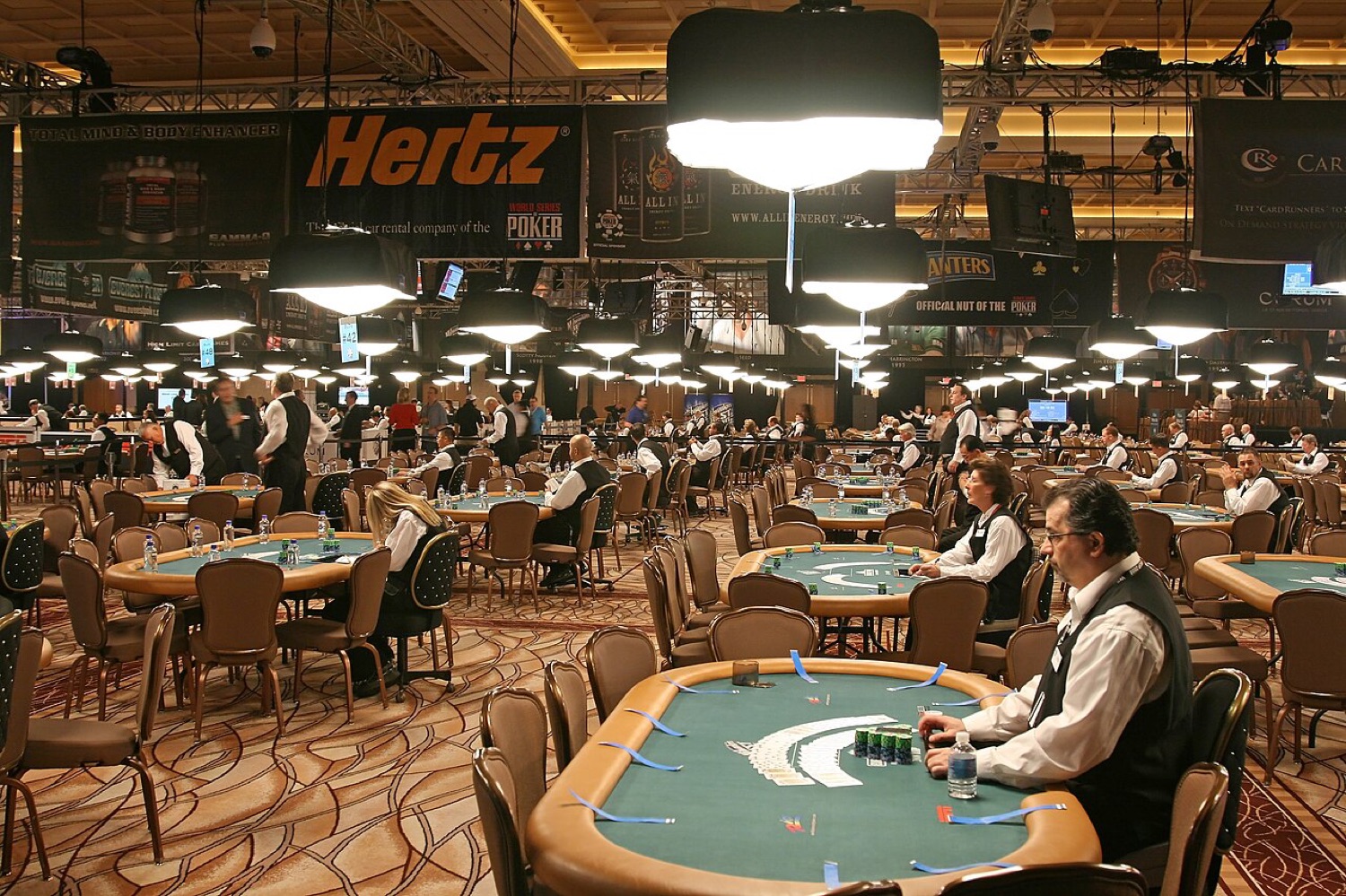
Poker does not look like a sport. Nobody runs, nobody sweats. Yet ask anyone who has played deep into a major tournament and they will tell you that the last hours are as much a test of stamina as of skill. That is why more and more serious players treat fitness as part of their game.
An endurance event in a chair
The best-known example is the World Series of Poker, held in Las Vegas every summer. Its Main Event, a no-limit Texas hold'em tournament with a $10,000 buy-in, has drawn around 10,000 entries in recent years and runs for roughly two weeks from the first starting flight to the final table. Since 2022 the series has been held at Horseshoe and Paris Las Vegas on the Strip, after many years at the Rio.
A typical playing day lasts around ten hours, usually in two-hour levels separated by short breaks of about 20 minutes, with a longer dinner break in the middle. Players who go deep repeat that for day after day, often finishing after midnight. Each hand demands attention, and a single lapse late in the day can end a tournament that took a week to build.

What long sessions do to the body
- Prolonged sitting. Hours in a chair tighten the hip flexors, switch off the glutes and load the lower back. Long periods of immobility also slow circulation in the legs; anyone with a history of blood clots should take advice on moving regularly.
- Mental fatigue. Sustained concentration is tiring in its own right. Studies on decision-making suggest the quality of choices tends to drop as fatigue builds.
- Dehydration. Las Vegas sits in the Mojave Desert, and dry, air-conditioned casino air makes it easy to drink too little, especially if most of your fluid is coffee.
- Blood sugar swings. Sweets and energy drinks at the table give quick lifts and later dips (see why carbohydrates are not that evil).
- Broken sleep. Late finishes, adrenaline from big hands and windowless rooms all disrupt the body clock.
How serious players prepare
Many top professionals have spoken about the gym as part of their routine, and the logic is simple. Better aerobic fitness supports energy and concentration over long days, strength and mobility work keep the back and hips comfortable, and regular exercise improves sleep. A sensible pre-series plan looks a lot like a good general fitness plan:
| Element | What it looks like | Why it helps at the table |
|---|---|---|
| Cardio base | Brisk walks, cycling or jogging most days | Stamina and steadier energy late in the day |
| Strength | Two or three sessions: squats, rows, presses, deadlifts | A strong back and hips cope better with sitting |
| Mobility | Hip openers, thoracic rotations, hamstring work | Undoes the posture of a ten-hour day |
| Sleep routine | Consistent wake time, dark room, limited screens | Sharper decisions, better mood |
A tournament-day routine
Before play
A walk or short workout in the morning, a breakfast built on protein and slow-digesting carbohydrates (eggs and oats, Greek yoghurt and fruit), and a full water bottle.
At the table
- Sit tall with feet flat; shift position regularly.
- Sip water steadily and limit caffeine to the first half of the day.
- Snack on nuts, fruit, cheese or jerky rather than sweets.
- Keep alcohol for after you bust or bag your chips.
Every break
Stand up immediately and walk. Then use a few minutes for 10 to 15 slow bodyweight squats (form guide: how to do a squat properly), hip flexor stretches and a few of the dynamic stretches we use before workouts. A five-minute routine every two hours adds up to a surprising amount of movement over a ten-hour day.
The dinner break
A real meal: protein, vegetables and a moderate portion of starch, eaten sitting down and slowly. A huge plate of pasta right before the evening levels is a recipe for drowsiness.
After play
A short walk outside, a light snack if hungry, screens dimmed, and a consistent wake-up time even if you got to bed late.
Not just for poker
You do not need a $10,000 seat to benefit from this. Online players grinding at home, office workers, gamers, students in exam season and long-haul drivers all face the same problems of long sitting and long concentration. The break-time routine works anywhere. If you are visiting Las Vegas for the series or just for a weekend, our guide to staying fit on a Las Vegas trip covers resort gyms, walking the Strip and dealing with the desert heat, and shift workers will recognise a lot of this in our tips for people who work shifts.
This article is general information, not medical advice. Check with a doctor before starting a new diet or exercise programme, especially if you have a health condition.