
Office Fitness Challenges and Friendly Wagers That Actually Work
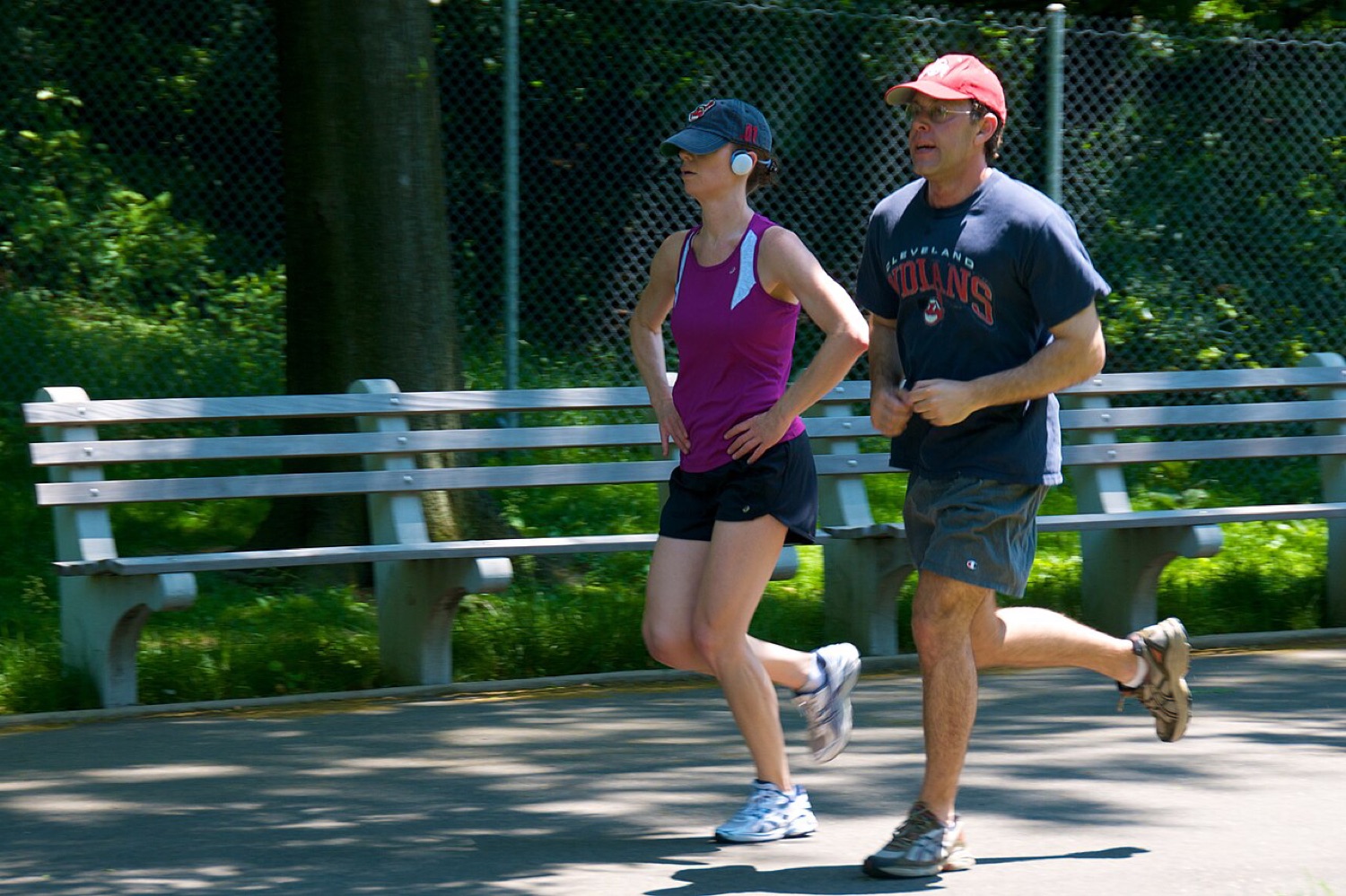
Every office has one: the colleague who announces a step challenge in January, a whiteboard full of names, and a five-dollar pot that somehow becomes the most talked-about thing in the building. Done well, workplace fitness challenges with small friendly stakes get people moving. Done badly, they cause injuries, resentment and awkward conversations about weight.
Why small wagers work at work
Two forces do the heavy lifting. The first is loss aversion: even a small stake makes skipping a walk feel like a loss (we explain the psychology in loss aversion and money on the line). The second is social accountability. Your progress is visible to people you see every day, and nobody wants to be the name stuck at the bottom of the board. The money is often less important than the bragging rights.
Five formats that work
1. The step challenge
Everyone logs daily steps on a phone or fitness tracker for four to six weeks. It is inclusive, low-risk and easy to measure. Score it by improvement over each person's own baseline week, or by days hitting a personal target, so that the marathon runner does not win by default.
2. The push-up or plank ladder
Start everyone at a manageable number and add a little each day. Test publicly every Friday. It fits in a lunch break and needs no equipment. Our guide to doing push-ups correctly includes wall and knee progressions so beginners can take part.
3. Team weight-loss pools, done carefully
If you run a weight-loss challenge, use percentage of body weight rather than kilograms (otherwise heavier people have an unfair advantage), keep individual weights private, and have teams report only combined percentages. Make it opt-in, never pressured. Many workplace wellness programmes, including HealthyWage's corporate challenges, follow similar rules.
4. The habit bingo card
A bingo card full of healthy actions: take the stairs all day, bring a home-made lunch, walk at lunchtime, drink two litres of water, try a new vegetable. First full line wins a small prize. It rewards behaviour rather than body size, which keeps things positive.
5. The bracket plus
Office sports pools around big tournaments are a workplace tradition. Pair the bracket with a movement rule: everyone who wants to stay in the pool has to log a daily walk, or every upset costs the losing picker ten squats at the next meeting. It turns three weeks of watching games into three weeks of moving more. Fans who watch a lot of sport will find more ideas in sports betting fans and couch habits.
Setting the stakes
| Stake idea | Why it works |
|---|---|
| A few dollars each into a pot for the winner | Simple and visible; keep it small enough that nobody feels pressured |
| Losing team buys a healthy team lunch | Everyone eats together at the end, so nobody really loses |
| Pot goes to the winner's chosen charity | Removes any sense of profiting from colleagues |
| Loser wears the rival team's shirt on Friday | Pure bragging rights, no money needed |
Check your workplace policy before any money changes hands. Small social pools among colleagues are common, but some employers prohibit them, and rules on informal wagers vary by country and state.
Mistakes to avoid
- Rewarding speed over safety. Prizes for "most kilos lost in two weeks" encourage crash dieting. Reward consistent habits and sensible rates of loss instead.
- Public weigh-ins. Nobody should have to share their weight. Use percentages or behaviour-based scoring.
- Ignoring different abilities. Offer alternatives for people with injuries, disabilities or health conditions, and handicaps so beginners can win.
- Going too hard too fast. Daily max-out push-up tests lead to sore shoulders. Build up gradually and include rest days.
- Letting it stop at the finish line. Plan what happens next: a new challenge, a walking club, a regular lunchtime workout.
A four-week starter plan
- Week 0: everyone records a baseline week of steps. Agree the rules, the stake and the end date.
- Weeks 1 to 4: points for each day you beat your baseline by 2,000 steps, bonus points for a weekly lunchtime walk together.
- Fridays: a five-minute plank or push-up check-in for anyone who wants to join.
- Finish: pot to the winner or a charity, then a team lunch, and sign-ups for the next round.
Pair the challenge with a short routine people can do anywhere, such as our seven-minute fat burning workouts, and you have given everyone a habit that outlasts the bet.
This article is general information, not medical advice. Check with a doctor before starting a new diet or exercise programme, especially if you have a health condition.