
5 Reasons Why You're Not Losing That Last Few Kilos
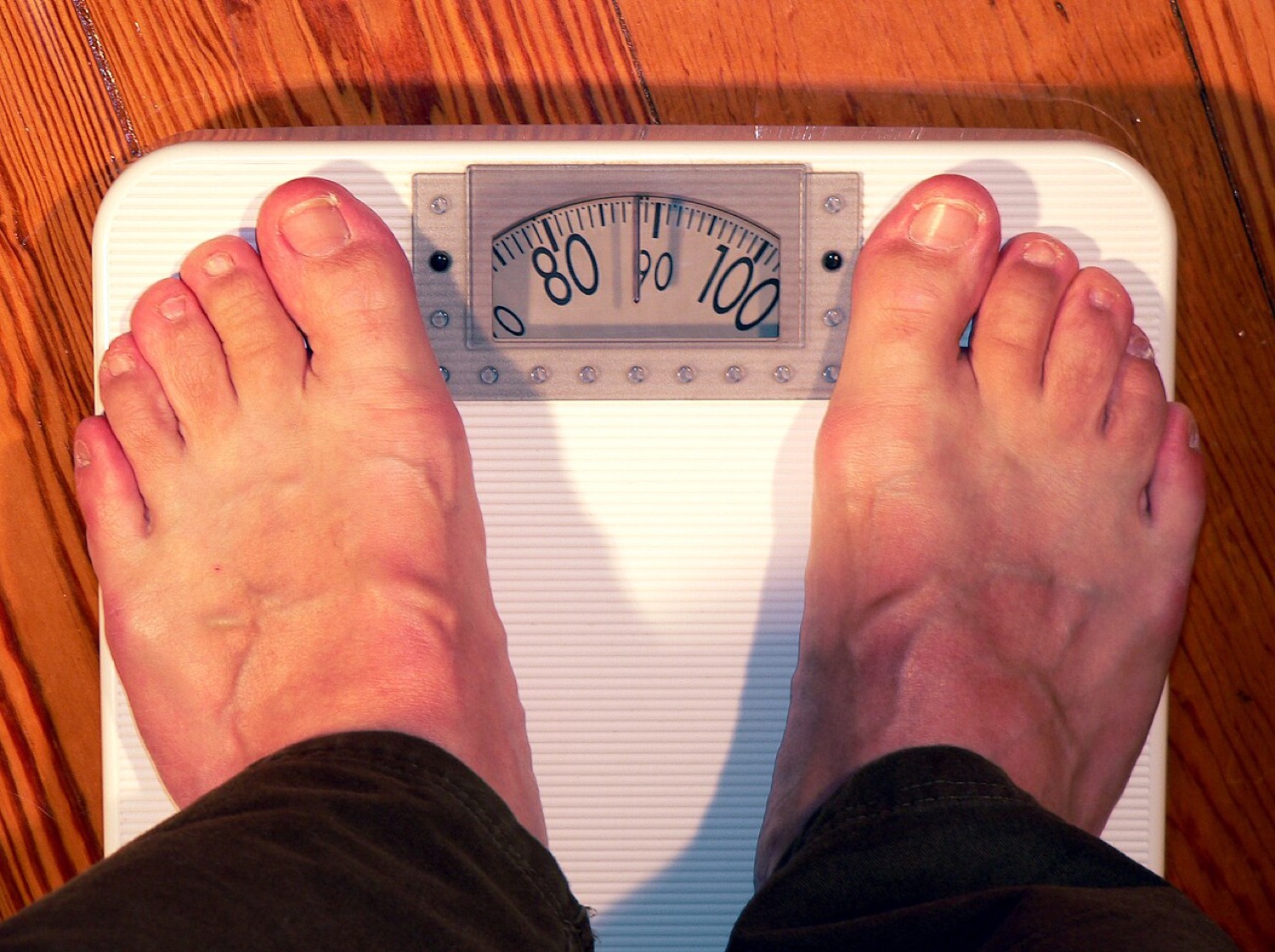
You started strong, the first kilos came off, and now the scale has not moved for weeks. Plateaus are frustrating, but they are normal, and there is usually a reason. Here are five of the most common, and what to do about them.
1. The goal is not really a priority
A magazine promises abs in three weeks. It sounds great, so you start. By day 20 there are no abs, and next month you start a different plan. The problem is not willpower; it is that the goal never really made it to the top of your list.
What to do: decide why this goal matters to you, then write your plan out by hand: the workouts, the meals, the times. Writing it yourself takes effort, and that effort is a signal to your brain that you mean it.
2. Your body has adapted to eating less
As you lose weight, you need less energy, simply because there is less of you to move and maintain. On top of that, prolonged dieting can reduce how much you move without noticing and nudge your metabolism down a little further, an effect researchers call adaptive thermogenesis. Very aggressive diets also make you tired, hungry, irritable and short on sleep, which makes sticking to them harder.
What to do: recalculate your needs at your new weight (see calories and metabolism). Avoid extreme deficits. Some people benefit from a planned "diet break" of a week or two at maintenance calories before continuing. Keep protein high and keep lifting weights to hold on to muscle.
3. You are not drinking enough water
Water does not melt fat, but it helps in several ways. Drinking a glass before meals can help some people eat a little less, swapping sugary drinks for water removes a lot of easy calories, and mild dehydration is easily mistaken for hunger or tiredness.
What to do: add one extra glass a day and build from there. Replace a few sugary drinks each week with water, sparkling water or tea. A slice of lemon or orange helps if you find plain water boring.
4. Your training has stopped progressing
Your body adapts to whatever you ask of it. If you have done the same routine at the same intensity for months, it no longer challenges you much.
What to do: change something every 6 to 12 weeks. Add weight or reps (progressive overload), try intervals instead of steady cardio, or take a lighter "deload" week before starting a new block. Changing your programme does not always mean making it harder.
5. You are not listening to your body
Sometimes the scale stops because your body has reached a healthy, comfortable weight. Take five quiet minutes and notice how you feel. More energy? Better sleep? Stronger, fitter, happier than when you started? Those count for a lot.
If you are already at a healthy weight and feel great, chasing the last few kilos can do more harm than good. Feeling well does not require fitting into the jeans you wore at 19. If you are unsure what a healthy range is for you, a doctor can help.
Do not read the scale like a roulette streak
Stand by a roulette table for a while and you will see people studying the screen that shows the last dozen results. Red has come up six times in a row, so black must be due, right? It is not. Each spin is independent, and believing otherwise is so common it has a name: the gambler's fallacy. In 1913 at the Monte Carlo casino, black is said to have come up 26 times in a row while gamblers lost fortunes betting that red was overdue.
Daily weigh-ins fool us in a similar way. Your weight can swing by a kilo or more from one day to the next because of water, salt, carbohydrate stores, hormones and what is still in your digestive system. Three "bad" days in a row are not a trend, and three good ones are not a breakthrough. Use a weekly average, or weigh yourself at the same time a few days a week and look at the line over a month. That is also how weight-loss betting apps judge you: on a verified weigh-in at the end of a set period, not on Tuesday's number. Read more in odds in diet studies vs casino odds and betting on your own weight loss.
This article is general information, not medical advice. Check with a doctor before starting a new diet or exercise programme, especially if you have a health condition.