
Eating Slowly For Weight Loss
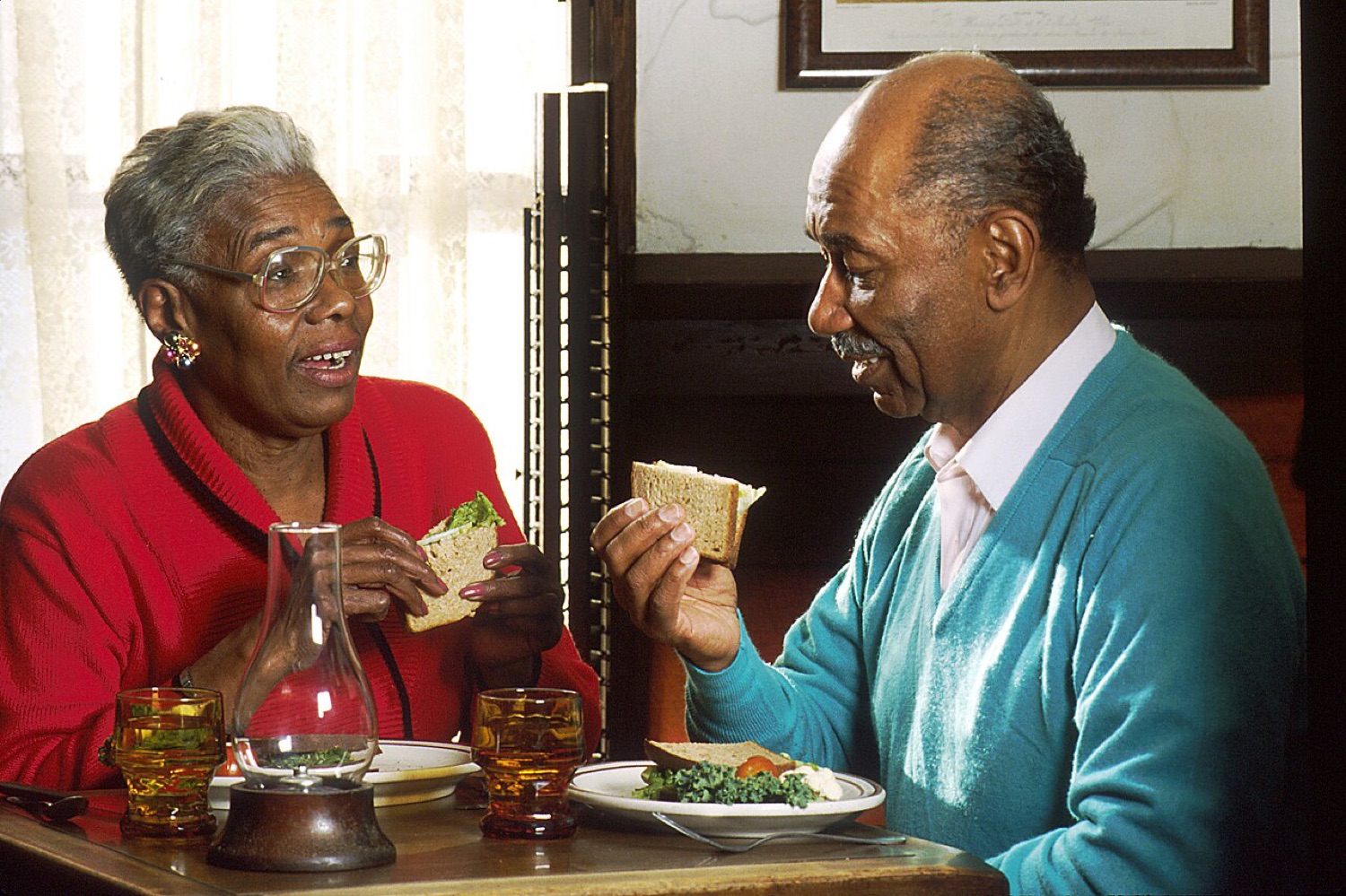
Irregular mealtimes, food eaten on the bus, lunch wolfed down between meetings. Many of us eat fast without noticing. Slowing down is one of the simplest, cheapest habits for better digestion and easier weight control.
Why speed matters
We live in a rushed, distracted world. It is easy to finish a meal in five minutes: one bite, a few chews, swallow, repeat. The problem is that the signals telling your brain you have had enough take time to arrive. Eat too fast and you can overshoot, then feel uncomfortably full twenty minutes later.
Eating slowly helps digestion
Digestion starts before your first bite. Seeing and smelling food triggers saliva, which contains enzymes that begin breaking down starch, and your stomach starts preparing too. Chewing well breaks food into smaller pieces, which makes the rest of digestion easier. Large, barely chewed bites can leave some people with indigestion and bloating.
Eating slowly can mean eating less
Researchers at the University of Rhode Island have studied eating speed for years. In one well-known experiment, published in 2008, 30 healthy women ate a large plate of pasta on two occasions: once as quickly as possible and once slowly, putting their cutlery down between bites.
| Condition | Average energy eaten | Time taken |
|---|---|---|
| Eating quickly | about 646 kcal | about 9 minutes |
| Eating slowly | about 579 kcal | about 29 minutes |
That is roughly 70 kcal less in one meal, and the women reported feeling less hungry an hour after the slow meal. They also drank more water when eating slowly, which may add to the feeling of fullness. Repeated over three meals a day, small differences like this add up.
Eating slowly is more satisfying
Satisfied is not the same as stuffed. A simple sandwich eaten slowly and attentively can feel like a proper meal. It is often said to take around 20 minutes from the start of a meal for fullness signals to build, yet many meals are over well before that.
Slowing down can help with binge episodes
Rapid eating is a common feature of binge episodes. Deliberately slowing down, even in the middle of one, can help some people notice what is happening and regain a sense of control. If binge eating is a regular struggle, it is worth talking to a doctor; effective help is available.
The all-you-can-eat speed trap
Nowhere is fast eating rewarded quite like the all-you-can-eat buffet. You pay one price, the food is right there, and a little voice tells you to "get your money's worth". The big Las Vegas casino buffets were built on exactly that psychology: endless choice, short walks between stations and plates small enough that you keep going back. People often eat a first plate standing in a queue mentally planning the second.
The slow-eating rules matter most here. Sit down with each plate, put your fork down between bites, talk to your companions, and wait ten minutes before deciding on another round. Treat the buffet like a tasting menu rather than a race, and you will leave feeling like you had a feast instead of a fight. Our full playbook, including which stations to visit first, is in casino buffets: how to eat well at an all-you-can-eat.
How to put this into action
- Sit down to eat, ideally at a table and away from your desk.
- Take a breath or a quiet moment before you start, so you are aware of the meal.
- Put your cutlery down between bites.
- Chew each mouthful more than you normally would.
- Aim for 20 to 30 minutes per main meal. Some people use an album or a podcast as a timer.
- Eat with someone who eats slowly and match their pace.
If you catch yourself rushing, that is fine. Just slow down again. Start with one meal a week if that is all you can manage, and build from there.
This article is general information, not medical advice. Check with a doctor before starting a new diet or exercise programme, especially if you have a health condition.