
Low Carb Diet vs Low Fat Diet: The Real Deal + Sample Meal Plan
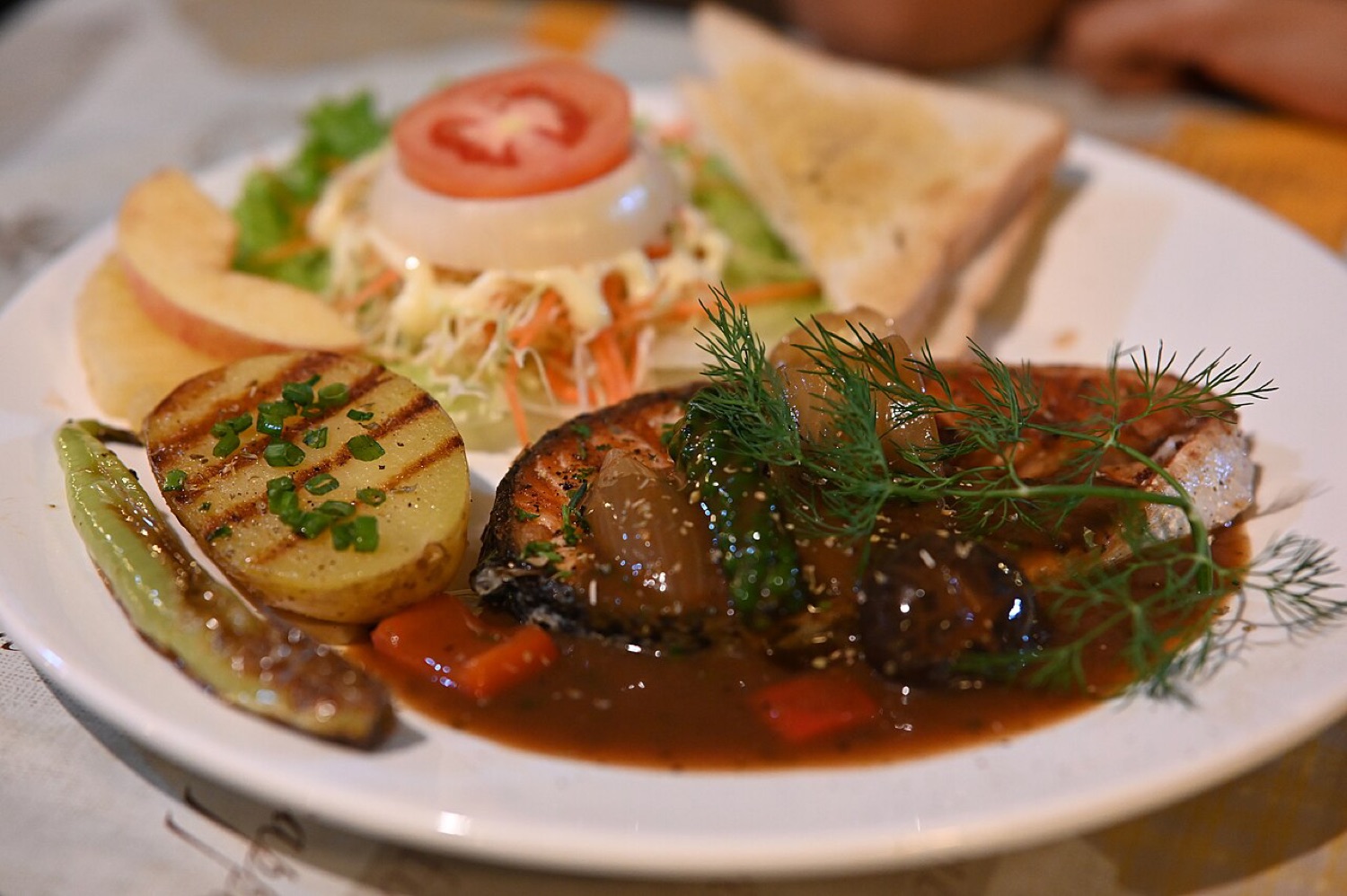
One of the most common questions we receive goes like this: "I want to lose weight fast. Which is better, low carb or low fat?" It is a fair question, and the answer is more interesting than either camp usually admits.
We do not like one-size-fits-all plans, because people have different needs, health conditions and preferences. But we can look at what the evidence says, and then give you a simple way to try a lower-carbohydrate approach if it appeals to you.
What the research says
When this post first appeared in 2014, several short trials suggested low-carb diets produced faster weight loss than low-fat diets. Some of that early difference is water: when you cut carbohydrates, your body uses up glycogen, which is stored with water, so the scale drops quickly in the first week or two.
Larger and longer studies since then point to a more balanced conclusion. In the DIETFITS trial published in JAMA in 2018, Stanford researchers randomly assigned about 600 adults to a healthy low-fat or a healthy low-carbohydrate diet for a year. Both groups lost a similar average amount of weight, roughly 5 to 6 kg, and the difference between them was not significant. Big reviews reach a similar verdict: over the long run, the diet you can stick to matters more than its exact macronutrient split.
That said, lower-carbohydrate eating does have some well-documented benefits for certain people:
- Blood sugar control. Reducing refined carbohydrates often improves blood glucose in people with type 2 diabetes or prediabetes. If you take diabetes medication, talk to your doctor before changing your carb intake, as doses may need adjusting.
- Triglycerides and HDL. Low-carb diets tend to lower blood triglycerides and raise HDL ("good") cholesterol. LDL responses vary between individuals, so it is worth getting bloods checked.
- Appetite. Many people find meals built on protein, fat and vegetables very filling, which makes a calorie deficit easier without counting.
Carbohydrates are still friends
Carbohydrates are your body's preferred fuel for hard exercise, and high-fibre carbs bring real health benefits (see why carbohydrates are not that evil). The problem for many people is simply quantity, often without realising it. Try writing down everything you eat for a day, honestly, then enter it into a tracking app. Cereal and milk, a sandwich, a pasta dinner, a granola bar and some juice can easily pass 250 g of carbohydrate a day.
Picking a diet is not picking a betting system
Roulette players have been inventing "systems" for centuries. The best known, the Martingale, tells you to double your bet after every loss so that one win recovers everything. It feels clever, but it cannot change the house edge built into the wheel: about 2.7 percent on a single-zero European wheel and about 5.26 percent on a double-zero American one. Sooner or later a losing streak meets the table limit or your bankroll, and the system collapses.
Diet tribes sometimes argue as if their macronutrient split were a system that beats the house. In practice the "house rule" of weight loss is energy balance plus adherence, and no ratio of carbs to fat repeals it. The good news is that, unlike roulette, the odds here can be tilted in your favour: choose the style of eating you can enjoy for years. We explain how to read the results of diet trials, and why a "50 percent better" headline is not what it sounds like, in odds in diet studies vs casino odds.
Three simple steps to eat lower-carb
If you would like to try a lower-carb approach, here is a version with no counting:
1. Swap some usual carbohydrates for vegetables
Spaghetti and meatballs? Replace half or all of the pasta with mixed vegetables or courgette noodles. Chicken sandwich? Make it a big salad with chicken, tomatoes, onions, a little cheese and some walnuts. Cereal on a rest day? Try an omelette with spinach.
2. Have protein and some healthy fat at every meal
A simple guide: a palm-sized portion of protein (two palms for larger or very active people) and a thumb-sized portion of fats such as olive oil, nuts, avocado or cheese. A palm of meat or fish provides very roughly 20 to 30 g of protein.
3. Keep starchy carbs mostly for around training
Your muscles are especially ready to store glucose after exercise, so that is a sensible time for potatoes, rice, oats or fruit. A protein shake blended with a banana and natural peanut butter covers protein, carbs and fat in one glass.
What to put on your plate
- Protein
- Chicken, turkey, lean beef, lamb or pork, white fish, salmon, sardines, mackerel, eggs, tofu, tempeh
- Fats
- Extra virgin olive oil, butter in moderation, unsalted nuts, seeds, avocado, cheese
- Non-starchy veg
- Lettuce, spinach, bok choy, kale, cabbage, broccoli, cauliflower, peppers, tomatoes, cucumber
- Flavour
- Herbs, spices, mustard, hot sauce, lemon, vinegar
Snacks and eating out
If your meals contain enough protein and fat you may not want many snacks. When you do, try tuna and cheese on lettuce, a hard-boiled egg with a handful of almonds, leftovers, Greek yoghurt, an apple with peanut butter, or carrot sticks with hummus. In restaurants, order a palm or two of protein with plenty of vegetables and you are done.
Stick to it about 80 percent of the time
Special occasions are special because they are rare. Eat three meals a day for a week and you have 21 meals. Eating well at around 80 percent of them leaves about four meals for flexibility: Sunday cake with friends, a birthday dinner. Enjoy those consciously, then return to your usual pattern. Change comes from what you do most of the time, not from the occasional exception. Our guide to cheat days and meals goes deeper.
A sample lower-carb day
| Meal | Example |
|---|---|
| Breakfast | Two-egg omelette with spinach, mushrooms and feta; black coffee or tea |
| Lunch | Large salad with grilled chicken, avocado, tomatoes, cucumber, olive oil and lemon |
| Snack | Greek yoghurt with a few berries and walnuts |
| Post-workout | Protein shake with a banana, or salmon with a small sweet potato |
| Dinner | Grilled salmon or tofu with roasted broccoli, peppers and cauliflower |
If this is new to you, try it one day a week for three weeks, then two days, and build up from there. You did not gain weight overnight, and you will not lose it in three weeks either. Give yourself time.
This article is general information, not medical advice. Check with a doctor before starting a new diet or exercise programme, especially if you have a health condition.