
Why Carbohydrates Are Not That Evil After All
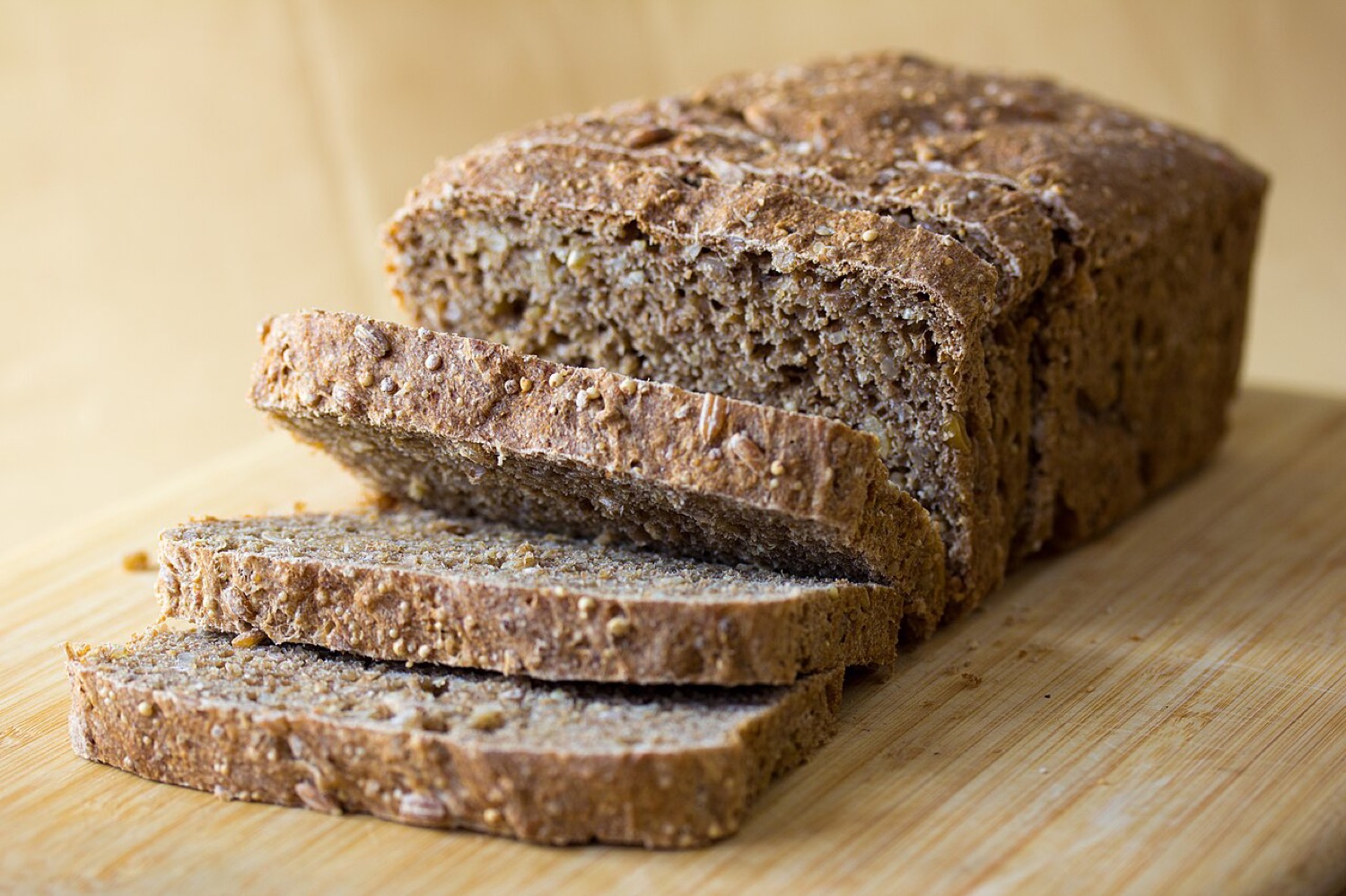
"No carbs for me, I'm trying to lose weight." Sound familiar? Carbohydrates are probably the most feared macronutrient in the diet world. The truth is less dramatic: carbs are not bad. The type and the amount make all the difference.
What are carbohydrates?
Carbohydrates are one of the three macronutrients, alongside protein and fat. Chemically they are saccharides (from the Greek word for sugar), grouped by size:
- Monosaccharides (one unit): glucose, fructose and galactose.
- Disaccharides (two units): sucrose, maltose and lactose.
- Polysaccharides (many units): starch in plants and glycogen in animals.
Whether you eat lactose in milk or starch in rice, digestion breaks most of it down into simple sugars, mainly glucose. Your body uses glucose for energy straight away or stores it as glycogen in the liver and muscles. When blood glucose drops, the body breaks glycogen back down (a process called glycogenolysis). Glycogen storage is limited, and over time a consistent surplus of energy from any source, carbohydrate included, ends up stored as body fat.
Not all carbs are the same
Slow-digesting, minimally processed carbohydrates
Found in vegetables, fruit, legumes and whole grains. They are digested more slowly, which helps keep energy levels and appetite steadier. If you have fitness goals, most of your carbohydrates should come from here.
Fast-digesting, refined carbohydrates
Found in white bread, many breakfast cereals, pastries, sweets and sugary drinks. They raise blood glucose quickly. Eaten often and in large amounts, diets high in refined carbohydrates and added sugar are associated with weight gain and a higher risk of type 2 diabetes and heart disease. They are not useless, though: endurance athletes use fast carbs during long races precisely because they are absorbed quickly.
The glycaemic index (GI) ranks foods from 0 to 100 by how fast they raise blood glucose compared with pure glucose. White bread and many refined cereals sit high on the scale; lentils, oats and most fruit sit lower. GI is a useful guide, but portion size and what you eat alongside a food matter too.
Fibre
Fibre is the part of plant food you cannot fully digest. Soluble fibre (oats, beans, apples) can help lower cholesterol; insoluble fibre (whole grains, vegetable skins) supports regular bowel movements. High-fibre diets are linked with lower risk of heart disease, type 2 diabetes and bowel cancer, and fibre helps you feel full. UK guidance suggests about 30 g a day for adults; most people eat far less. Good sources include oats, barley, beans and lentils, nuts and seeds, fruit such as apples, pears and berries, and vegetables of every kind.
So why do carbs get such a bad name?
- We often eat more than we need. Cereal for breakfast, a sandwich for lunch, pasta for dinner, plus juice and snacks adds up fast.
- They hide everywhere. Milk, juice, sauces, granola bars and soft drinks all contain carbohydrate, which makes it easy to overeat without noticing.
- The refined ones give the rest a bad reputation. Like one disruptive kid making a whole class look bad, sugary snacks have tarred lentils and oats with the same brush.
Why carbs can help you lose weight
- Energy for training. Carbohydrate is the main fuel for high-intensity exercise, and the brain relies heavily on glucose.
- Fullness. High-fibre, minimally processed carbs are bulky and satisfying, which makes overeating harder.
- Sustainability. Many people find very low-carb eating hard to keep up. A plan you can follow beats a perfect plan you abandon.
- Enjoyment. Grilled chicken with a side of whole-grain pasta or sweet potato is simply a better meal than chicken on its own.
Good choices include sweet potatoes and potatoes, oats, quinoa, brown or wild rice, whole-grain bread and pasta, beans and lentils, berries and other fruit, and vegetables of every colour.
Carbs at the card table
Ask anyone who has played a full day of tournament poker what happens around hour six. Concentration drifts, decisions get sloppy, and the snack trolley starts to look very attractive. Professional players increasingly treat food as part of their game: a big plate of refined carbs at the dinner break, or a stream of sweets and energy drinks at the table, can bring a quick lift followed by a dip just when a big hand arrives. Steadier fuel, such as a meal built around protein, vegetables and slow-digesting carbohydrates, plus water and nuts or fruit between levels, is the approach many players describe for staying sharp late into the night.
You do not need to sit at a final table for the lesson to apply. Office workers, students and long-haul drivers face the same mid-afternoon slump. We look at how poker players manage energy, posture and stamina over twelve-hour days in poker players' fitness at long tournaments.
How to eat carbs well
If you have been avoiding carbs
- Bring back minimally processed, high-fibre carbs first: oats, beans, fruit and whole grains.
- Try a fist-sized portion of starchy carbs at breakfast and lunch, and fill more of your dinner plate with vegetables if that suits you.
- Drop the idea that a whole food group is "bad". If a diet requires cutting one out without a medical reason, it may be hard to sustain.
If you love your white rice
- Go gradually. If you have white rice twice a day, try once a day, then mix in brown rice or extra vegetables.
- Pair refined carbs with protein, fat and vegetables, which slows how fast they are absorbed.
- Around training is a sensible time for faster carbs, because working muscles will use the glucose.
- Get your household on board. Support makes change much easier.
Above all, remember you are in control. Enjoying a favourite food now and then, because you consciously choose to, is perfectly fine.
This article is general information, not medical advice. Check with a doctor before starting a new diet or exercise programme, especially if you have a health condition.