8 Things You Probably Didn't Know About Proteins For Weight Loss
Protein has an image problem. Some people still worry that eating more of it will make them "bulky". In reality protein is one of the most useful tools for losing fat while keeping muscle, and most people trying to lose weight benefit from a little more of it.
What is protein?
Proteins are large molecules made from chains of amino acids, often called the building blocks of life. The chains fold into shapes that let them do very different jobs: building muscle and skin, carrying oxygen in the blood, and acting as enzymes, hormones and antibodies.
There are 20 standard amino acids in human proteins. Nine are essential, which means your body cannot make them and they must come from food. Others are non-essential, and some are conditionally essential, needed from food mainly during illness or stress. Your body keeps a pool of amino acids that it constantly draws on and refills from dietary protein, which is why protein at regular meals matters.
1. You will not turn into the Incredible Hulk
Eating more protein, like lifting weights, will not by itself make anyone huge. Large muscle gains depend on hormones (men generally have much more testosterone), years of targeted training, a calorie surplus and genetics. Physique competitors look the way they do because of highly specialised training and diets. For everyone else, extra chicken in your sandwich simply helps you stay full and keep the muscle you have.
2. Protein helps protect muscle while you diet
When you eat less energy than you burn, your body can break down muscle as well as fat. Research consistently shows that higher-protein diets, especially combined with resistance training, help preserve lean mass during weight loss. Protein also has the highest thermic effect of the macronutrients: your body uses more energy digesting it than digesting carbohydrate or fat. The effect is modest, but it adds up.
3. Protein at breakfast can curb later snacking
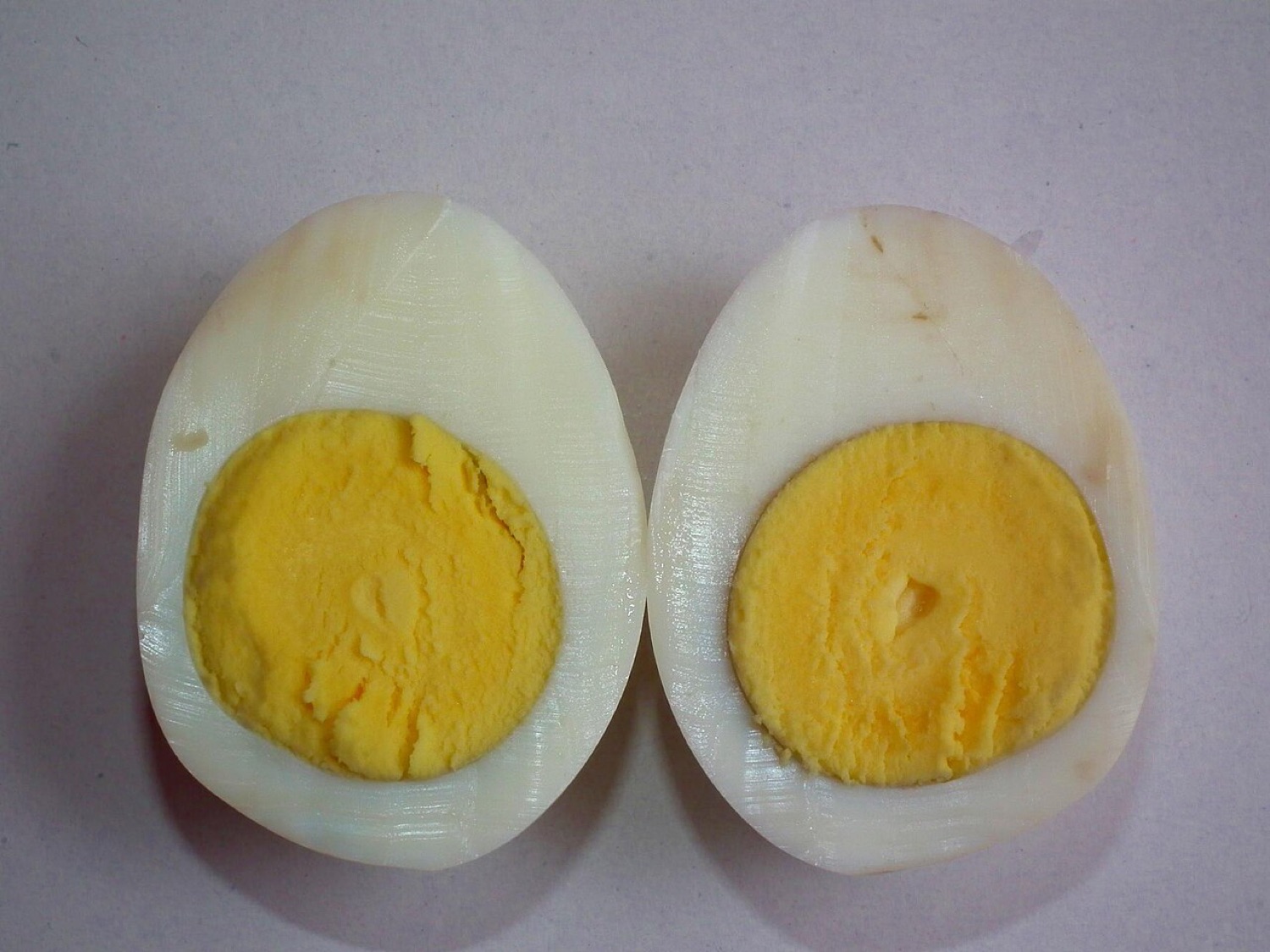
A University of Missouri research team led by Heather Leidy found that young people who ate a high-protein breakfast reported fewer cravings and less evening snacking on high-fat, high-sugar foods than those who skipped breakfast. You do not need steak at 7am. If you usually have cereal, add an egg, a pot of Greek yoghurt or some cottage cheese, and build the habit slowly.
4. You need a little to survive, and more to thrive
The standard recommendation for adults is about 0.8 g of protein per kilogram of body weight per day, which is roughly 48 g for a 60 kg person. That is the amount needed to avoid deficiency. For people who train regularly or are trying to lose fat, sports nutrition organisations such as the International Society of Sports Nutrition suggest about 1.4 to 2.0 g per kg. For a 60 kg person that means roughly 85 to 120 g a day. As a reference, 100 g of cooked chicken breast provides around 30 g of protein.
Rather than counting grams, start by putting a palm-sized portion of protein on your plate at every meal.
5. Timing helps, but the daily total matters most
Training breaks down muscle protein, and in the hours and days afterwards your body rebuilds it. Eating protein after a workout supports that repair. The once-popular idea of a narrow 30-minute "anabolic window" has softened: total daily protein, spread over three or four meals, matters more than the exact minute. A meal containing protein within a few hours of training is plenty for most people.
6. Plant and animal proteins both work
Good news for vegetarians and vegans. Animal proteins are complete and easily digested, but a varied plant-based diet with beans, lentils, tofu, tempeh, seitan, edamame, quinoa, nuts and seeds can meet protein needs too. Combining different plant sources over the day covers all the essential amino acids.
7. Higher protein is considered safe for healthy kidneys
Studies in healthy, trained people have not found that higher-protein diets damage kidney function. The important word is healthy: if you have kidney disease or reduced kidney function, protein intake should be planned with your doctor or a dietitian.
8. You can still gain weight on too much protein
Protein is filling, but it still contains energy. If you consistently eat more than you burn, you will gain weight, even if it is all lean chicken and free-range eggs. Protein is a tool, not a free pass.
The carving station test
If you want to see how well you have absorbed all this, walk into a big casino buffet. Las Vegas resorts made the all-you-can-eat buffet famous, and the layout is a lesson in food psychology: bread, pasta, fried food and desserts are plentiful and close at hand, while the carving station, the grill and the seafood counter often have a queue. The protein is there, you just have to go and get it.
A good strategy is to make your first plate a protein plate: roast turkey or beef from the carving station, grilled fish, eggs at breakfast, plus a mountain of salad and vegetables. Protein and fibre fill you up, which makes it far easier to enjoy a small dessert without a sugar avalanche. We built a full strategy for this, from scouting the room to pacing the plates, in casino buffets: how to eat well at an all-you-can-eat.
Putting it into practice
- Have protein at breakfast: eggs, Greek yoghurt or cottage cheese.
- Build up gradually to a serving of protein at every meal.
- Mix plant and animal sources if you enjoy both.
- Remember that too much of anything can stall progress.
- Be patient. Results are the sum of repeated small choices.
This article is general information, not medical advice. Check with a doctor before starting a new diet or exercise programme, especially if you have a health condition.